


How To Keep Your Dog Stress-Free During Fireworks
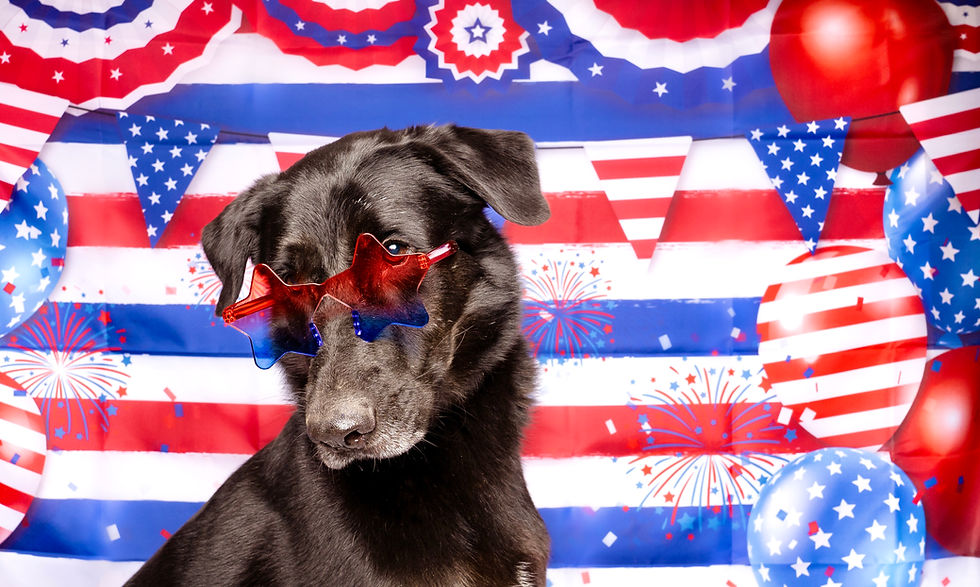
The 4th of July holiday is just around the corner. While it is a time for families to get together, celebrate, and relax, for your dogs, this may be a day of high anxiety, especially at nighttime when the fireworks shows begin.
It is not a myth that dogs often struggle with fireworks. But why?
The main reason dogs react negatively to fireworks is the high sound and volume they produce. Often, dogs are not used to loud sounds, but they also have greater sensitivity than humans.
According to the American Kennel Club, dogs' ears are highly sensitive, with a wider hearing range of 47,000 Hz to 65,000 Hz compared to adult humans, who can only hear up to 20,000 Hz.
While every dog reacts differently, most dogs will experience a fight-or-flight response after hearing fireworks. Excessive panting, shaking, drooling, or pacing around are the most common behaviors a dog will exhibit because of the stress induced by fireworks.
How Can You Help?
The best way you can help your dog reduce stress from fireworks is to create a safe space for them. Whether it is through distractions, tiring them out, or simply blocking out the sound as much as possible.

1. Do Not Take Your Dog Outside During The Fireworks
This might sound like an obvious solution, but there is more substance than it seems.
Most dogs require plenty of time outdoors, whether it is to go on a walk or relieve themselves. If you usually walk your dog in the evening or early at night, this time may coincide with when fireworks start. In this case, it is better to prepare in advance and keep your dog indoors while the fireworks are going on.
This can look like feeding and walking your dog earlier on the day of fireworks to avoid going outside later.
If you don’t usually walk your dog in the evening, it might be worth doing it when there are fireworks, as this will help tire your dog out so they fall asleep during the fireworks.
Distractions
Another way to reduce stress among dogs is to distract them during the fireworks. This can be done by feeding them (though this may require them to relieve themselves later) or by using toys to play with them.
Playtime can help dogs focus on a different activity rather than what is going on outside.
Reduce Noise
Reducing noise by playing music or white noise to drown out the sound of fireworks indoors also works well, as it makes the impact on the dog's ears less harsh.
Try to keep your dog away from windows or rooms near the outside of the house. Closets, basements, and other enclosed areas will help reduce the impact of the sound because they provide added layers that the sound will need to pass through.

Tools for Support
If the tips above still do not help calm the dog, you can look into calming supplements for pets.
VetriScience Composure Calming Chews for Dogs was rated “Best Overall” by The Spruce Pets. These chews help decrease anxiety without turning into prescription medication. Consult your dog’s veterinarian before treating them with calming supplements.
You can buy the calming chews at your local pet store.
Another tool you can use to help reduce dog stress during fireworks is a calming vest. Calming vests provide gentle, constant pressure that almost feels like a hug to soothe your dog’s fear or anxiety.
You can find the ThunderShirt Classic Calming Vest and other calming vests at most major pet retail stores.
Please remember that every dog reacts differently to fireworks and other stressful situations. The suggestions above are intended as general resources and are not HSNT endorsements of any specific product, brand, or method. While some pets may respond well to these options, others may require different approaches or guidance from a veterinarian.
Most importantly, your dog will need your patience, comfort, and care. Providing a safe, secure space and maintaining a calm environment can go a long way toward reducing anxiety during fireworks season. We encourage pet owners to consult their veterinarian and choose the solutions that best fit their pet’s individual needs.



Comments